
As I read more about the films of Blake Snyder’s Save the Cat, (link to previous blog to know why this book) I’m understanding more about the films and their stories.
One very important point that he makes hit me like a brick—how did I not notice this before – Irony Is Everywhere.
All movies have some kind of irony, and it has to be there to make the story interesting for the audience (almost all movies—well, I have not seen every movie out there :)). Without irony, movies would not be gripping enough to make the audience spend almost 2–3 hours of their lives watching them.
Now let me explain what irony is
I did not understand it properly before I went down this rabbit hole.
Irony, according to Oxford, is “a state of affairs or an event that seems deliberately contrary to what one expects and is often wryly amusing as a result.”
Bit of a mouthful, isn’t it?
Let’s try in simple language—irony means something happens that is opposite to what you expect or what is said.
Simple types of Irony with examples:
Situational irony (what happens is unexpected)
- A fire station burns down.
- You study hard for a subject, and nothing from it appears in the exam.
Verbal sarcasm (saying the opposite of what you mean)
- It’s raining heavily, and you say, “Wow, lovely weather!”
Chandler from ‘Friends’ jumped into my mind.
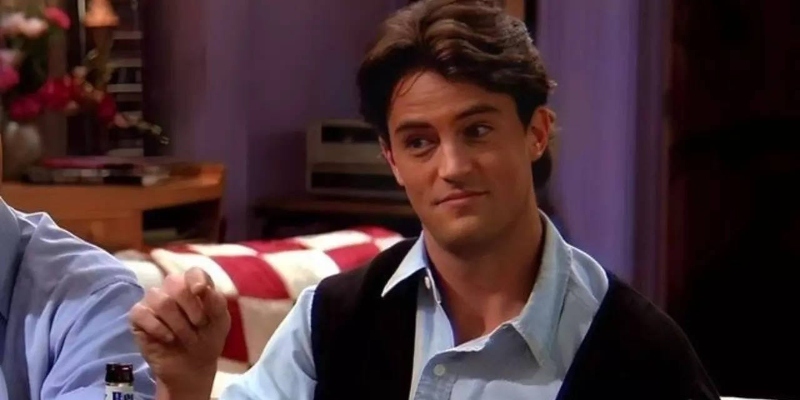
Dramatic irony (the audience knows something the characters don’t)
- In a movie, you know there’s a villain behind the door, but the character opens the door anyway.
As I went deeper into this rabbit hole, I discovered that patterns of irony are not random. They work because they hit a core, fundamental human expectation and then subvert it.
Let’s look at some patterns of irony and films that use them.
1. Loss of Control
Control is an illusion.
We humans think that if we plan better and anticipate everything ahead of time, using our superior brains, we can achieve absolute control. Nothing can go different from “the design.” We also like to do risk assessments and create multiple mitigation plans.
But to quote Jurassic Park’s Dr. Ian Malcolm, “Life, uh, finds a way.” So no matter how confident the people in the movie are about their “design”, something will eventually go wrong.
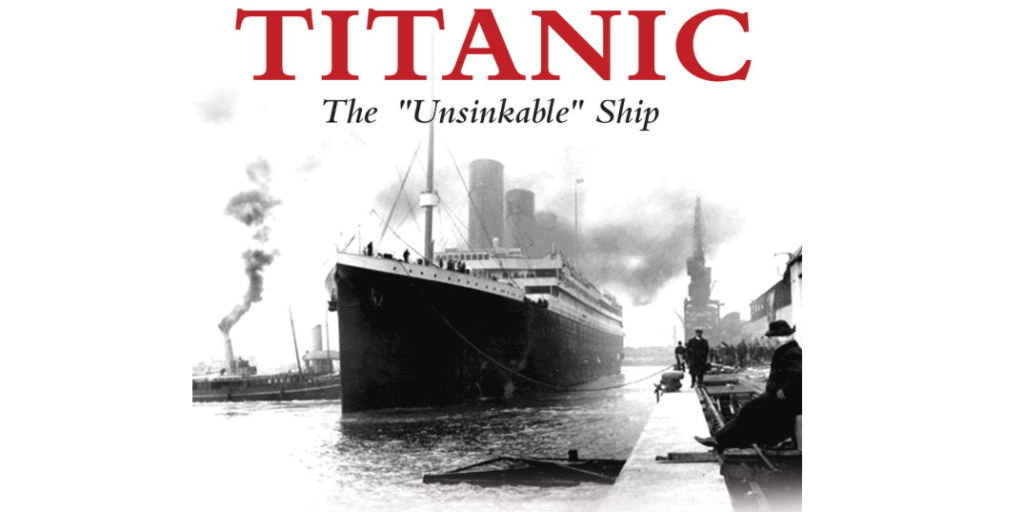
The biggest example is the Titanic, which was dubbed “unsinkable” both in real life and in the 1997 film starring Leonardo DiCaprio. Sadly, it sank.
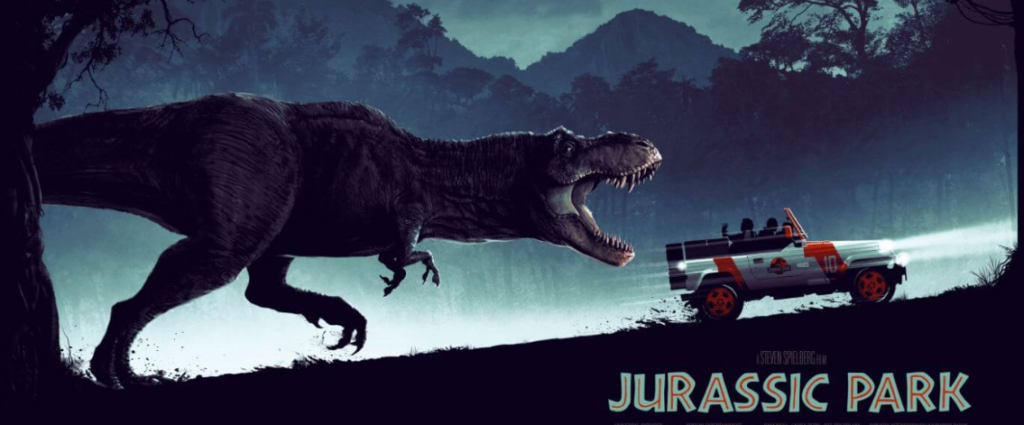
Another great example is Jurassic Park (1993). Humans revive extinct dinosaurs and create a park where they spare no expense and believe that nothing can go wrong. Well, almost everything goes wrong on the first tour, and we get this iconic, timeless masterpiece.
2. Hidden Prison of Freedom
You think you’re free, but you’re not.
People crave freedom. Showing it as fake hits deep, well for almost everyone.
Two great examples come to mind.
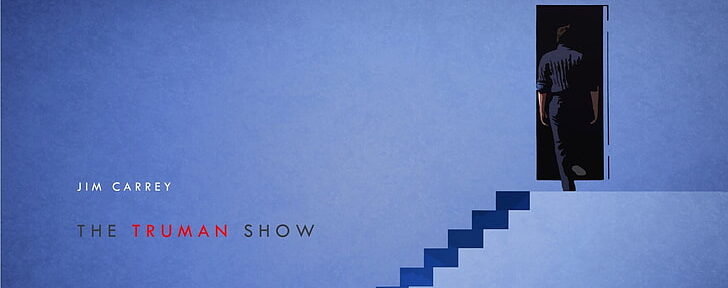
First, The Truman Show, a 1998 drama starring Jim Carrey as Truman, shows Truman’s perfect life in a small town.
But zoom out a bit and you see all of this is just a show, quite literally. During the first act of the movie, Truman thinks he is in control of his life and the one making decisions. But we, the audience, see that the “director” is actually in charge. He controls every single aspect of Truman’s life. And the rest of the movie is Truman’s fight to actually gain freedom.

The second one is the viral South Korean survival thriller from 2021—Squid Game. (although not a movie, but a great example)
During the first few episodes, “the salesman” recruits our protagonist and others for this game, which offers money and promises to solve all of their problems, mostly debt. After the game, they are supposed to be free and achieve freedom. But the game is a trap and a prison, quite literally, and the players are not only playing for money but for their lives.
3. Goal Backfires
Careful what you wish for!
This kind of irony is seen in movies where a character chases something, and achieving it destroys them.
Most of these are gangster movies, where a character wants to become the biggest of all, but while chasing this goal, they also set the traps they will eventually fall into. These movies show the consequences of obsession.
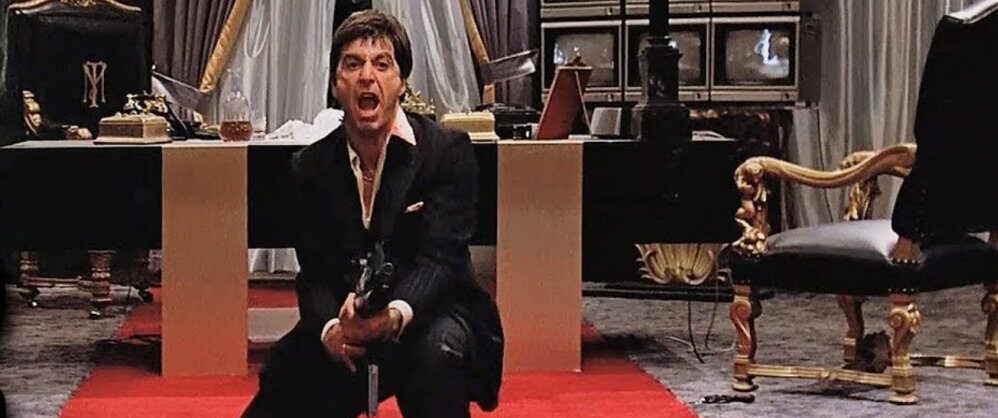
One of the best examples of this is the 1983 American crime drama film Scarface.
We follow Tony Montana, a Cuban immigrant who arrives in Miami and builds a cocaine empire through ruthlessness and ambition, which eventually leads to his downfall in one of the most memorable and iconic death scenes in cinema history.
There are more patterns which I will explore sometime in the future, so stay tuned.
So now I know why… irony is everywhere, and it should be.